Metastases and Staging

When breast cancer is diagnosed, doctors determine its stage to understand how far the cancer has spread and how best to treat it. One important part of staging is whether the cancer has metastasized.

What Are Metastases?

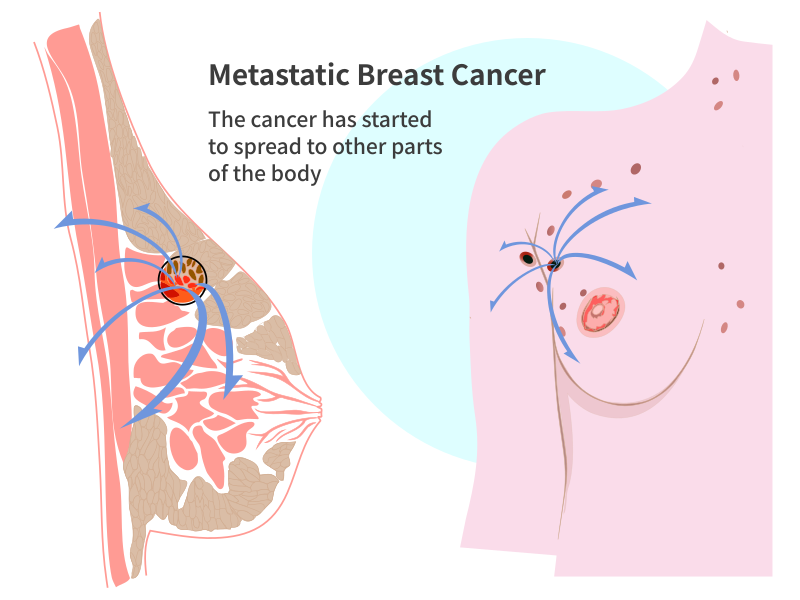
Metastases occur when cancer cells break away from the original tumor in the breast and travel to other parts of the body through the bloodstream or lymphatic system. When these cells settle and grow in another organ, this is called metastatic breast cancer.

Even when breast cancer spreads, it is still considered breast cancer, not a new type of cancer based on where it spreads.

Common Sites of Breast Cancer Metastasis

Breast cancer most commonly spreads to:

  • Bones
  • Lungs
  • Liver
  • Brain

Not everyone with breast cancer will develop metastases, and many people live long, meaningful lives even if cancer does spread.

How Metastases Affect Staging

Breast cancer staging is based on the TNM system:

  • T (Tumor): Size and extent of the original tumor
  • N (Nodes): Whether cancer has spread to nearby lymph nodes
  • M (Metastasis): Whether cancer has spread to distant organs

M Category Explained:

  • M0: No evidence of distant metastasis
  • M1: Distant metastasis is present

Any breast cancer that has spread to distant organs is classified as Stage IV, regardless of tumor size or lymph node involvement.

Breast Cancer Stages and Metastases

  • Stages 0–III (Non-Metastatic Breast Cancer):
    Cancer is confined to the breast and nearby lymph nodes. These stages are considered non-metastatic and are often curable.
  • Stage IV (Metastatic Breast Cancer):
    Cancer has spread to distant parts of the body. While not considered curable, it is treatable, and many people live for years with good quality of life.

Symptoms of Metastatic Breast Cancer

Symptoms vary depending on where the cancer has spread and may include:

  • Persistent bone pain or fractures
  • Shortness of breath or chronic cough
  • Abdominal pain or jaundice
  • Headaches, vision changes, or dizziness
  • Unexplained weight loss or fatigue

These symptoms can also be caused by non-cancer conditions, but they should always be evaluated by a healthcare provider.

How Metastases Are Diagnosed

Doctors may use a combination of:

  • Imaging tests (CT scans, bone scans, PET scans, MRI)
  • Blood tests
  • Biopsy of a metastatic site (in some cases)

Testing helps confirm whether metastases are present and guides treatment decisions.

Treatment and Hope

Treatment for metastatic breast cancer focuses on:

  • Controlling cancer growth
  • Relieving symptoms
  • Maintaining quality of life

Advances in targeted therapy, hormone therapy, immunotherapy, and chemotherapy have significantly improved outcomes, allowing many people to live longer and fuller lives with metastatic disease.

A Closing Message

Hearing the word “metastases” can be frightening, but it does not mean hope is lost.

Breast cancer treatment continues to advance, and care is increasingly personalized. If you or a loved one has metastatic breast cancer, you are not alone. Support, treatment options, and hope remain.

This site is registered on wpml.org as a development site. Switch to a production site key to remove this banner.