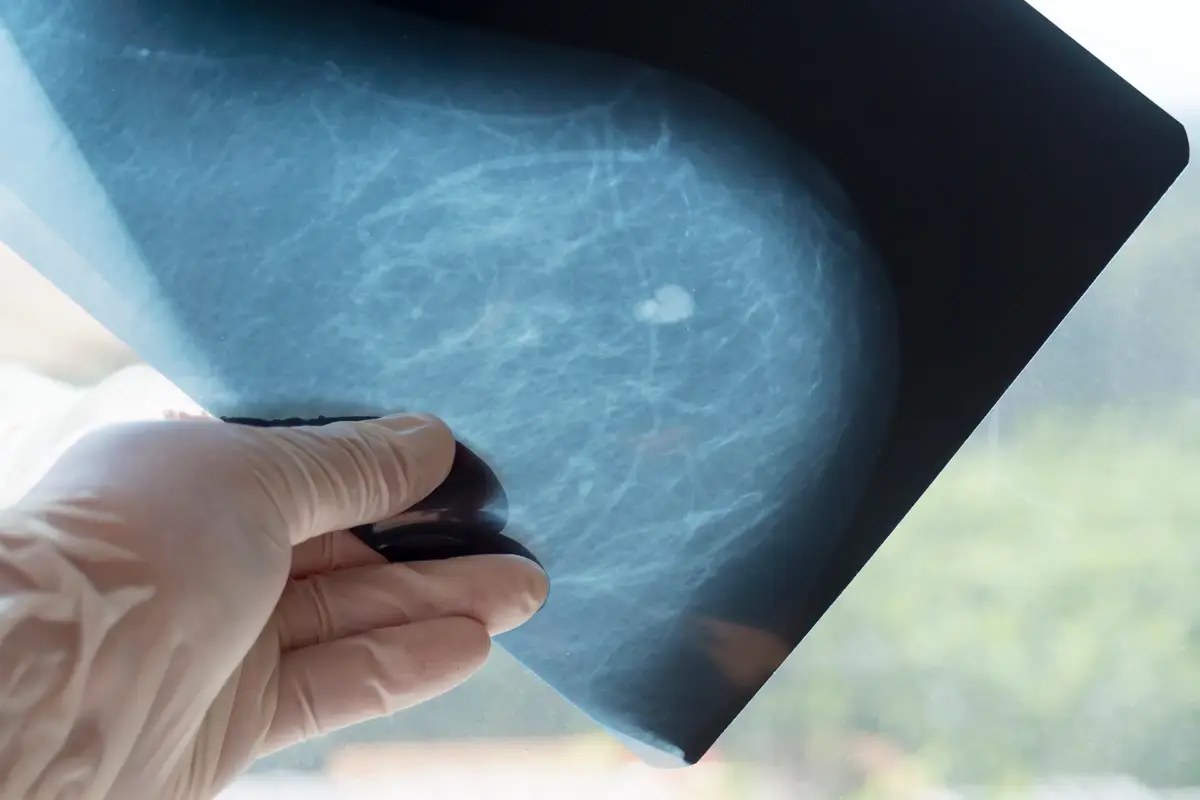
Diagnosis & Staging

Understanding your diagnosis and the stage of breast cancer is a critical step in personalizing your care. Staging helps your healthcare team determine the size of the tumor, whether it has spread, and which treatment plan will be most effective for you.

Signs and Symptoms

Recognizing changes in your body is vital for early detection. While many changes are not cancerous, any new or unusual symptoms should be evaluated by a professional.

Key Topics:
Identifying new lumps or thickening, skin changes like dimpling or an “orange-peel” texture, and nipple-related symptoms such as discharge or inversion.

The Stages of Breast Cancer

Breast cancer is grouped into stages (0 through IV) to describe the extent of the disease. These stages provide a clearer understanding of your diagnosis and help guide treatment decisions.

Key Topics:
An overview of the TNM (Tumor, Nodes, Metastasis) staging system and the characteristics of each stage, from non-invasive Stage 0 to metastatic Stage IV.

Tumor Size and Staging

Tumor size is one of the first measurements doctors use to categorize breast cancer. While size is a major factor, modern staging also considers biological details like hormone receptor status.

Key Topics:
How tumors are measured in centimeters, the different “T” categories (T1–T4), and why size is just one part of a complete diagnosis.

Metastases and Staging

Metastasis occurs when cancer cells travel from the breast to other organs, such as the bones, lungs, or liver. Understanding this spread is essential for managing advanced stages of the disease.

Key Topics:
The definition of metastatic (Stage IV) breast cancer, common sites of spread, and how doctors use imaging and biopsies to confirm metastases.

Early-Stage Breast Cancers (Non-invasive)

Non-invasive breast cancers are those confined to their original location, such as the milk ducts. These early-stage cancers are highly treatable and often detected through routine screening.

Key Topics:
Understanding Ductal Carcinoma in Situ (DCIS), why it is considered “Stage 0,” and the importance of early detection through mammography.

This site is registered on wpml.org as a development site. Switch to a production site key to remove this banner.