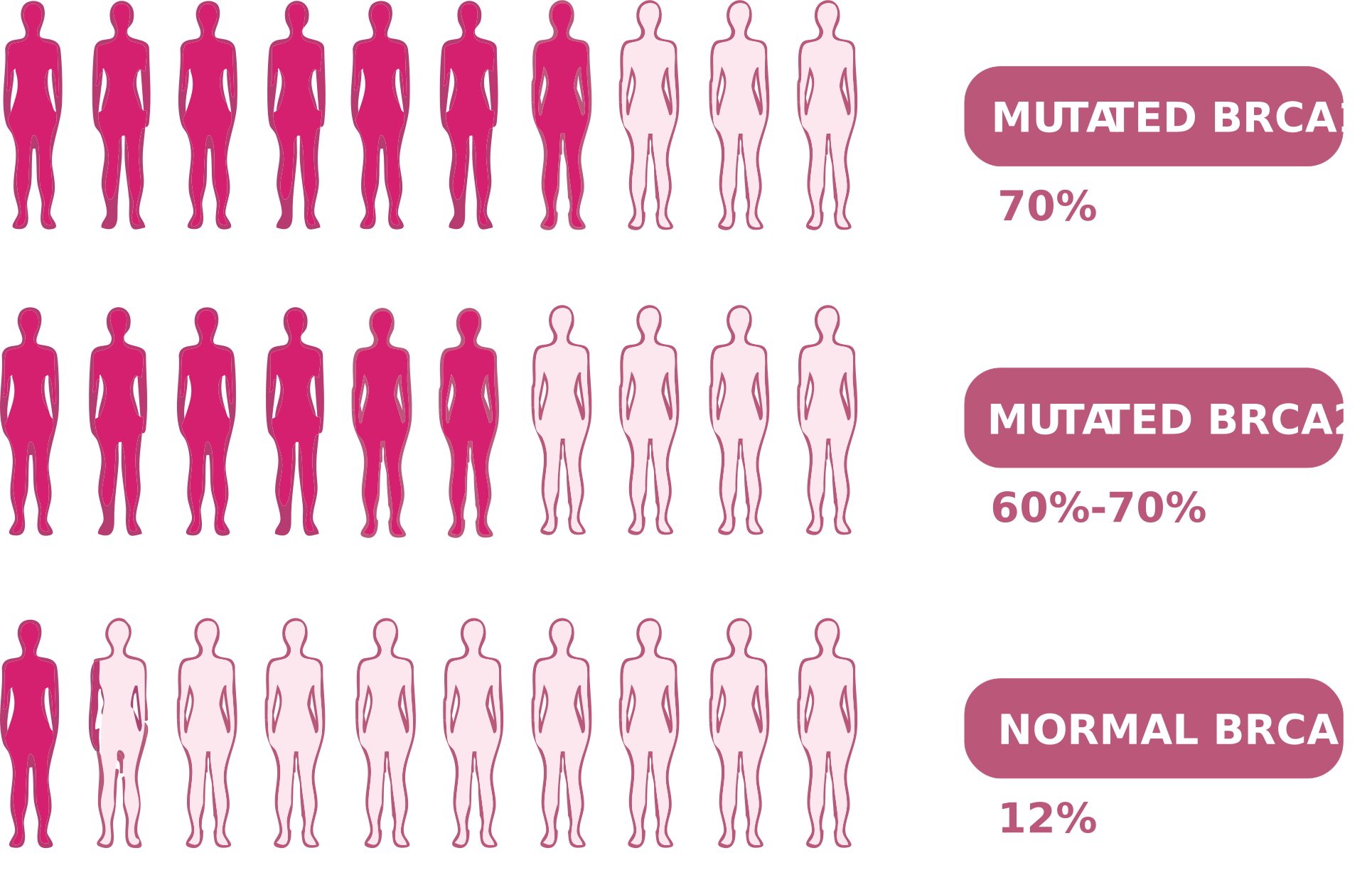
BRCA1 and BRCA2 Mutations in Women

BRCA1 and BRCA2 are genes that help repair damaged DNA. When they work properly, they help prevent cancer. Some women inherit harmful (pathogenic) mutations in these genes, which significantly increase the risk of developing breast and ovarian cancer, often at a younger age than average.

What does it mean to have a BRCA mutation?

A BRCA1 or BRCA2 mutation is inherited, meaning it is passed down from a parent. Both women and men can carry and pass on these mutations, but women face higher cancer risks.

  • Each child of a parent with a BRCA mutation has a 50% chance of inheriting it
  • Mutations are present from birth, but cancer may never develop

Cancer risks for women with BRCA mutations

While risks vary by individual and family history:

  • Breast cancer
    • BRCA1: up to ~70% lifetime risk
    • BRCA2: up to ~60–70% lifetime risk
  • Ovarian cancer
    • BRCA1: up to ~40–45% lifetime risk
    • BRCA2: up to ~15–20% lifetime risk

BRCA mutations may also increase the risk of second breast cancers and other cancers.

Who should consider genetic testing?

Genetic counseling and testing may be recommended for women who have:

  • MBreast cancer diagnosed at a young age
  • Triple-negative breast cancer, especially before age 60
  • A strong family history of breast, ovarian, pancreatic, or prostate cancer
  • A known BRCA mutation in the family
  • Ashkenazi Jewish ancestry with a family history of related cancers

Testing is usually done after genetic counseling to help understand the benefits, limitations, and possible results.

If you have a BRCA mutation

Having a BRCA mutation does not mean you will definitely develop cancer. Many women with BRCA mutations never do. However, knowing your status allows you to take proactive steps, which may include:

  • Earlier and more frequent screening (such as a breast MRI and mammography)
  • Risk-reducing medications for some women
  • Preventive surgery options, depending on personal choice and medical advice
  • Family planning and informed decisions for relatives who may also be at risk
Support and next steps

Learning you have a BRCA mutation can feel overwhelming, but support is available.

Genetic counselors, breast specialists, and support organizations can help women understand their risk and make informed decisions that are right for them.

If you have concerns about your family history or genetic risk, talk to your healthcare provider or a genetic counselor.

This site is registered on wpml.org as a development site. Switch to a production site key to remove this banner.