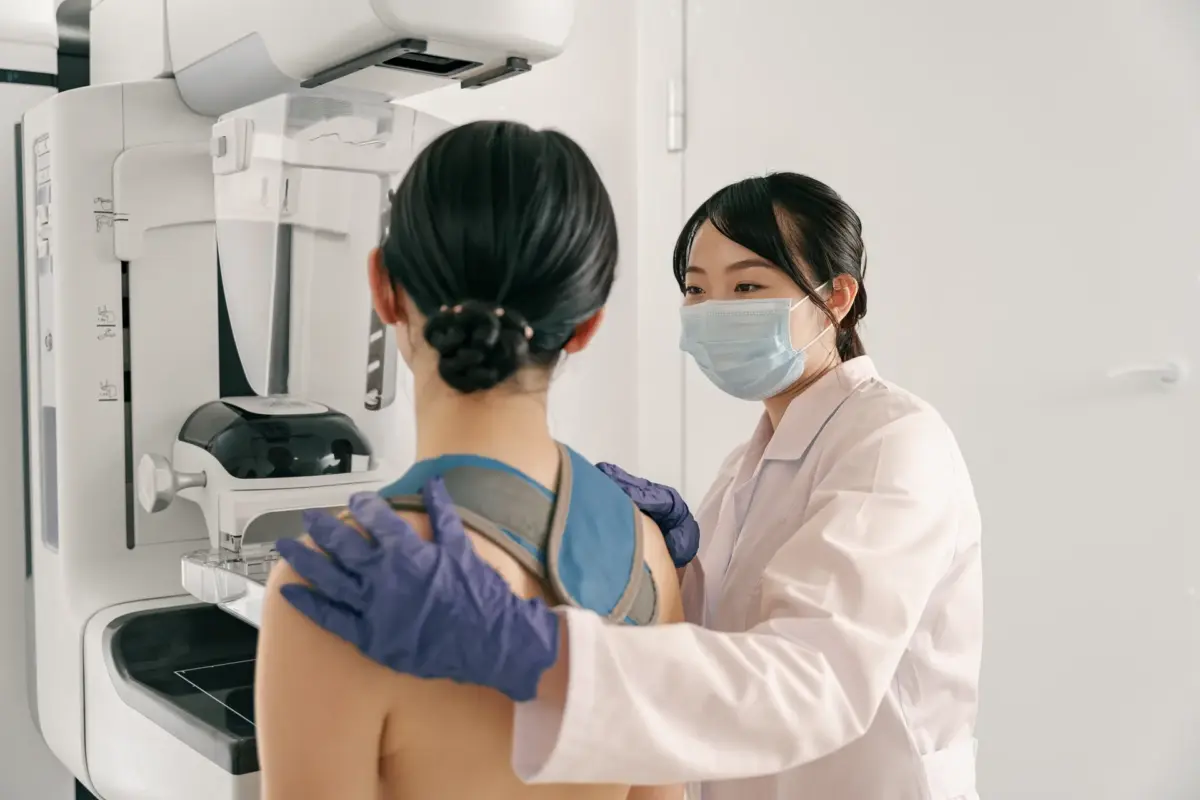
Mammogram & Screening

Regular screening is one of the most effective ways to detect breast cancer early, when it is most treatable. Understanding the process—from how the technology works to what happens during your appointment and how to care for yourself afterward—can help reduce anxiety and empower you to take charge of your health.

What to Expect From a Mammogram

Preparing for a mammogram can help you feel at ease during this routine but vital procedure. This guide walks you through the steps to take before, during, and after your appointment to ensure a smooth and effective experience.

Key Topics:
Scheduling your appointment when breasts are least tender (usually one week after your period); choosing a two-piece outfit; avoiding products like deodorant, lotion, or powder on the day of the exam; and understanding the 15–20 minute imaging process involving gentle compression and trained technologists.

How Mammograms Work

Mammograms use specialized low-dose X-rays to examine breast tissue and find changes years before they can be felt by hand. This technology is the most effective screening tool for identifying early-stage abnormalities like tiny tumors or calcifications.

Key Topics:
The role of compression in spreading tissue for clearer images and lower radiation exposure; the ability to detect Stage 0 or Stage I cancers with survival rates of 95–99%; and general guidelines that suggest regular screening starting at age 40 depending on personal risk.

Post-Mammogram Self-Care Guide

It is common to feel some tenderness after a mammogram, as the procedure involves brief pressure on the breasts. While most people return to their routine immediately, these simple self-care steps can help manage discomfort and provide emotional support while you wait for your results.

Topics:
Managing mild soreness with warm or cool compresses; wearing comfortable, supportive clothing; staying hydrated; and recognizing that while most results are normal, reaching out for emotional support or professional medical advice for persistent symptoms is always encouraged.

This site is registered on wpml.org as a development site. Switch to a production site key to remove this banner.