How to Perform a Proper Self-Check

A breast self-check is a simple way to become familiar with how your breasts normally look and feel—so you can notice changes early. While it does not replace mammograms or clinical exams, it is an important monthly habit for all women.

When to Do a Breast Self-Check

  • Once a month
  • 5–7 days after your period ends (breasts are less tender and swollen)
  • If you no longer menstruate: choose the same day each month

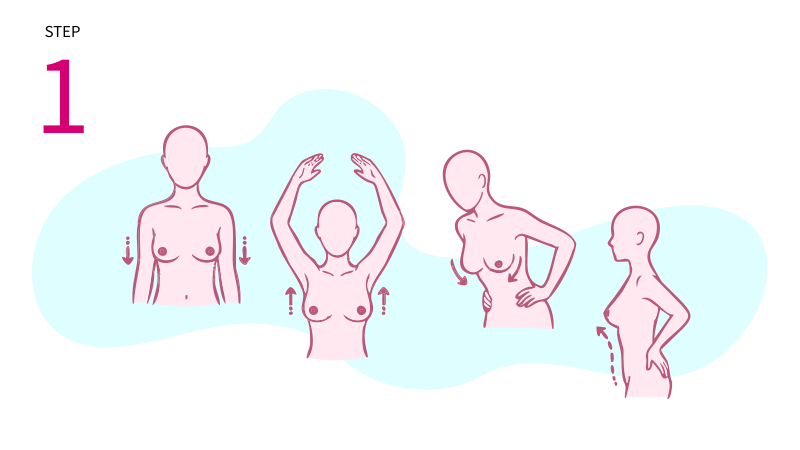
STEP 1: Look at Your Breasts (In the Mirror)

Stand undressed from the waist up with your arms:

  1. At your sides
  2. Raised above your head
  3. Hands pressed on hips, tightening chest muscles

Look for:

  • Changes in size, shape, or symmetry
  • Skin dimpling, puckering, or redness
  • Nipple changes (turning inward, discharge, rash)

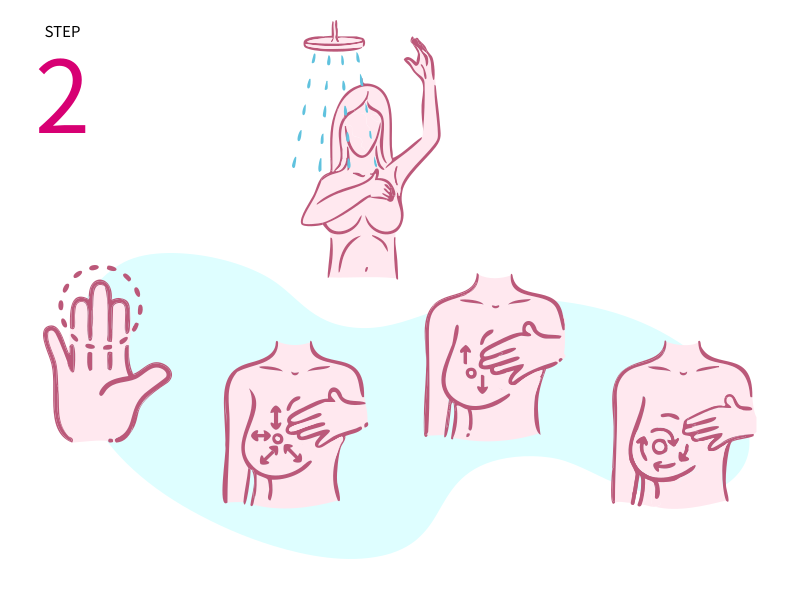
STEP 2: Feel Your Breasts Standing (In the Shower)

Using the pads of your three middle fingers:

  • Apply light, medium, and deep pressure
  • Move in a circular pattern
  • Cover the entire breast area:
    • From collarbone to bra line
    • From armpit to the center of the chest

Also check your armpit (lymph node area).

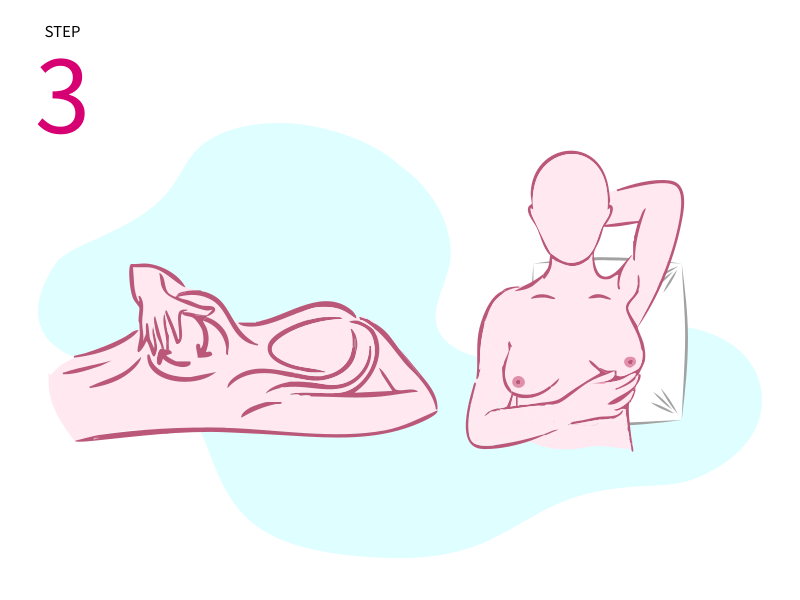
STEP 3: Feel Your Breasts Lying Down

Lie on your back with a pillow under one shoulder; this spreads the breast tissue evenly. Using the same circular motion and pressure, check:

  • Breast tissue
  • Nipple area
  • Under the breast fold
  • Armpit

And then repeat on the other side.

What Are You Feeling For?

  • A new lump or thickened area
  • Hard knots
  • Persistent pain in one spot
  • Changes that feel different from last month

Most breast changes are not cancer, but any new finding should be checked by a doctor.

What’s Normal?

Normal breasts may:

  • Feel lumpy or tender before a period
  • Be slightly uneven
  • Change with age, pregnancy, or hormones

The key is noticing what is normal for YOU.

When to See a Doctor Immediately

Make an appointment if you notice:

  • A new or growing lump
  • Nipple discharge (especially bloody or clear)
  • Skin dimpling or thickening
  • A nipple that suddenly turns inward
  • Redness or warmth that doesn’t go away
Important Reminder

Breast self-checks do not replace mammograms.

The safest approach to breast health is:

  •  Monthly breast self-check
  • Annual doctor exam
  • Regular mammograms based on age and risk
This site is registered on wpml.org as a development site. Switch to a production site key to remove this banner.