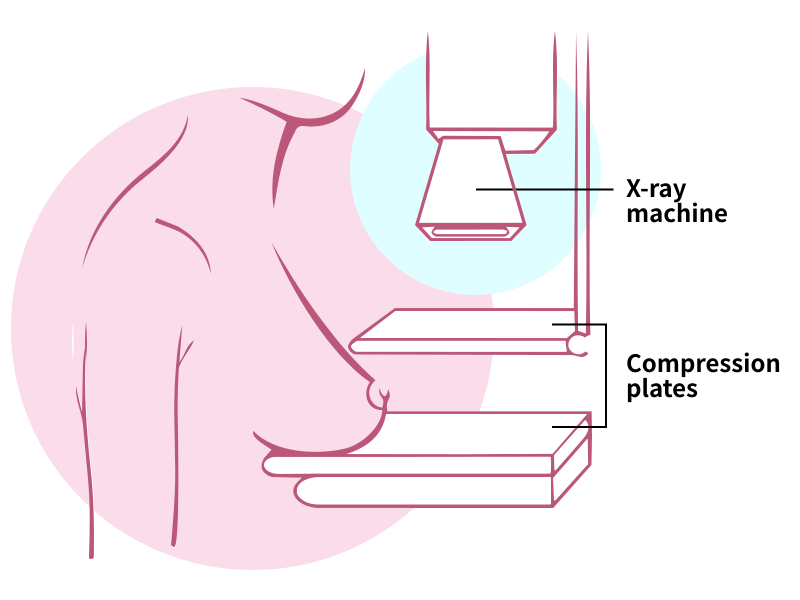
How Mammograms Work

A mammogram is a specialized low-dose X-ray used to examine breast tissue. It is the most effective screening tool for detecting breast cancer early, often before any lump can be felt and before symptoms appear.

What Happens During a Mammogram?

  1. Positioning
    • One breast at a time is placed on a flat surface.
    • A clear compression plate gently presses the breast flat.
  2. Compression
    • Compression spreads the breast tissue evenly.
    • This allows doctors to see tiny abnormalities more clearly.
    • It also reduces radiation exposure and prevents blurry images.
    • The pressure lasts only a few seconds.
  3. X-Ray Imaging
    • The machine takes low-dose X-ray images from different angles.
    • The same process is repeated for the other breast.
  4. Image Review
    • A specialized doctor called a radiologist carefully examines the images.
    • The results are sent to your doctor, who explains the findings.

What Can Mammograms Detect?

Mammograms can detect:

  • Very small tumors
  • Calcifications (tiny calcium deposits that can signal early cancer)
  • Changes in breast tissue years before symptoms appear

This is why regular screening saves lives.

Does a Mammogram Hurt?

  • Most women feel pressure or brief discomfort, not pain.
  • The discomfort lasts only a few seconds.
  • Any sensitivity can often be reduced by scheduling the exam one week after your period, when breasts are less tender.

How Often Should You Get a Mammogram?

General guidelines (may vary by country and personal risk):

  • Ages 40–49: Every 1–2 years
  • Ages 50 and up: Every year
  • High-risk women: May start earlier and include MRI

Your doctor can help determine the best schedule for you.

Why Mammograms Matter

  • Mammograms can find breast cancer at Stage 0 or Stage I
  • Early-stage breast cancer has a survival rate of over 95–99%
  • Many women diagnosed early need less aggressive treatment
Important Note

A mammogram is a screening tool, not a diagnosis.

If something unusual is found, additional tests such as ultrasound, MRI, or biopsy may be needed.

This site is registered on wpml.org as a development site. Switch to a production site key to remove this banner.