Early Life Exposures

Research shows that experiences and exposures early in life—from before birth through adolescence—can influence breast cancer risk later on. During these stages, breast tissue is still developing and may be more sensitive to environmental and lifestyle factors.

Before Birth and Infancy

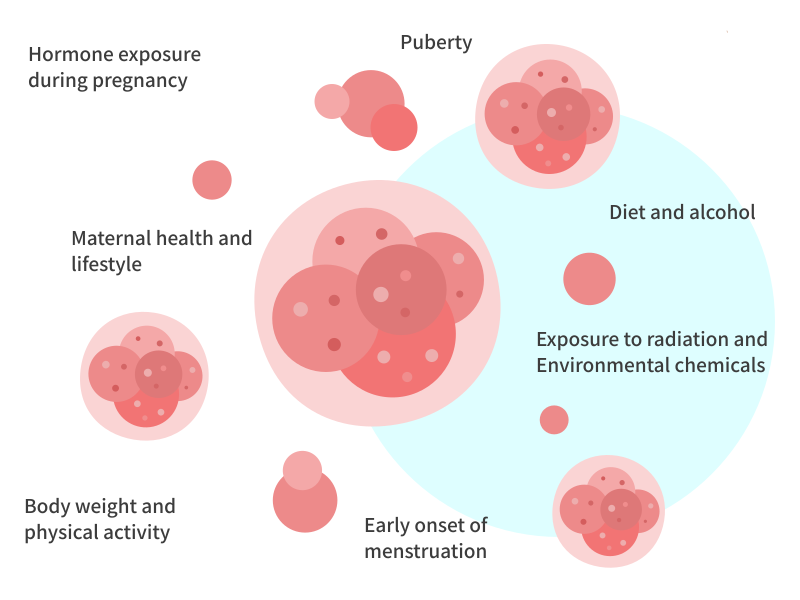
  • Hormone exposure during pregnancy: Levels of estrogen and other hormones in the womb may affect how breast tissue develops.
  • Maternal health and lifestyle: A mother’s nutrition, weight, and exposure to tobacco smoke or certain chemicals may play a role.

Childhood

  • Exposure to radiation: Medical radiation to the chest during childhood or adolescence (for example, some cancer treatments) is a well-established risk factor.
  • Environmental chemicals: Ongoing research is examining how early exposure to endocrine-disrupting chemicals may influence long-term risk.

Adolescence

  • Early onset of menstruation: Starting periods at a younger age increases lifetime exposure to estrogen, which is linked to higher risk.
  • Body weight and physical activity: Obesity in adolescence and low levels of physical activity may increase risk later in life.
  • Diet and alcohol: Poor diet quality and early alcohol consumption have been associated with increased breast cancer risk.

Puberty

  • Periods of rapid growth, especially during puberty, may be particularly important. Factors that influence growth—such as nutrition, physical activity, and hormone levels—can affect how breast tissue develops and responds to future exposures.

What this means

Having early life risk factors does not mean someone will develop breast cancer. Risk is shaped by a combination of genetics, life experiences, and adult lifestyle factors. Many early exposures cannot be changed, but understanding them helps guide prevention, screening, and awareness.

Steps you can take​
  • Encourage healthy nutrition and physical activity from childhood through adolescence
  • Limit unnecessary medical radiation, especially in young people
  • Avoid tobacco smoke and delay or reduce alcohol consumption
  • Follow recommended breast cancer screening guidelines as an adult

Understanding how early life influences breast health empowers individuals and families to make informed choices and support lifelong prevention and early detection

This site is registered on wpml.org as a development site. Switch to a production site key to remove this banner.