Signs and Symptoms

Early detection saves lives. Knowing what to look for—and acting quickly when you notice changes—can make all the difference. Below are the most common signs and symptoms to watch for.

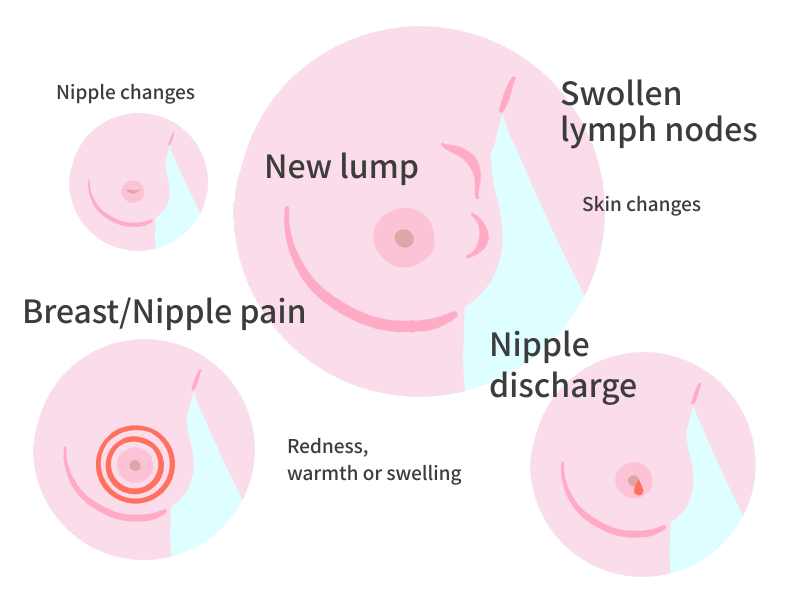
A New Lump or Thickening

A firm, irregular, or unusual lump in the breast, upper chest, or underarm area is the most common early sign. Not all lumps are cancer, but all should be checked by a doctor.

Changes in Breast Size or Shape

Look for noticeable differences between breasts, swelling in one area, or a new change in contour that wasn’t present before.

Skin Changes

Breast cancer can sometimes alter the skin’s appearance. Watch for:

  • Dimpling or puckering of the skin
  • Thickening of the skin
  • An orange-peel texture (known as peau d’orange)

Nipple Changes

Any new change is important. You may notice:

  • Nipple turning inward (inversion)
  • Persistent itching or pain
  • Scaling or crusting around the nipple

Nipple Discharge

Unexpected discharge—especially if it’s clear or bloody—should be evaluated promptly, even if it happens only once.

Redness, Warmth, or Swelling

Red or inflamed skin that does not improve could indicate an infection or, in rare cases, inflammatory breast cancer. Seek medical guidance if symptoms persist.

Persistent Breast or Nipple Pain

Pain that does not change with your menstrual cycle or lasts for more than two weeks should be assessed.

Swollen Lymph Nodes

Lumps or swelling under the arm or near the collarbone may be an early sign of breast cancer, even before a breast lump is felt.

Note

When to Contact a Healthcare Provider

If you notice any new or unusual breast change, schedule a clinical breast exam. Most symptoms are not cancer, but only a medical professional can determine the cause.

For those at higher risk—due to age, family history, or genetic factors—regular screenings and self-awareness are especially important.

This site is registered on wpml.org as a development site. Switch to a production site key to remove this banner.